Exterior Home Cladding Options for Different Weather Conditions and Maintenance Needs
Exterior home cladding plays a major role in protecting a house from weather damage while also influencing its appearance, energy efficiency, and long-term maintenance requirements. The exterior layer of a home is constantly exposed to changing weather conditions, including heavy rain, strong winds, intense sunlight, snow, humidity, and temperature fluctuations. Choosing the right cladding material is therefore an important decision for homeowners who want durability, comfort, and attractive curb appeal.
Modern homes are available with a wide range of exterior cladding options, including vinyl siding, fiber cement, wood, brick, stone, metal, stucco, and composite materials. Each option offers different advantages depending on the local climate, maintenance expectations, budget, and architectural style of the property.
A suitable cladding system should do more than improve the visual appearance of a home. It should help prevent moisture intrusion, reduce heat transfer, resist weather-related damage, and maintain its performance for many years. Understanding how different materials perform under various weather conditions allows homeowners to make better decisions when building a new home or renovating an existing exterior.
The Importance of Choosing the Right Exterior Cladding
Exterior cladding acts as a protective barrier between the home’s structure and outdoor elements. Without a reliable cladding system, moisture, insects, temperature changes, and ultraviolet exposure can gradually damage walls and insulation.
The right cladding material can provide several benefits, including:
- Protection against rain and moisture
- Improved insulation performance
- Reduced exterior maintenance
- Increased property value
- Better resistance to extreme weather
- Enhanced architectural appearance
Climate is one of the most important factors when selecting a cladding material. A material that performs well in a dry region may not be suitable for an area with high humidity or frequent storms.
Vinyl Siding for Affordable and Low-Maintenance Protection
Vinyl siding is one of the most common exterior cladding choices because it offers affordability, durability, and minimal maintenance requirements. It is manufactured from PVC materials and is available in many colors, textures, and styles.
Vinyl siding performs well in moderate climates where homeowners want an attractive exterior without frequent upkeep. It does not require painting and can usually be cleaned with water and mild detergent.
One of the biggest advantages of vinyl siding is its resistance to moisture. When properly installed, it helps protect walls from rain and humidity. It is also resistant to insects and does not rot like natural wood.
However, vinyl siding has some limitations. In areas with extreme temperature changes, it may expand and contract, which can affect its appearance over time. Very high temperatures may also cause warping, while severe storms with strong impacts can damage individual panels.
For homeowners looking for a budget-friendly option with simple maintenance needs, vinyl siding remains a practical choice.
Fiber Cement Cladding for Extreme Weather Resistance
Fiber cement cladding has become increasingly popular because of its strength and ability to withstand challenging weather conditions. It is made from a combination of cement, sand, and cellulose fibers, creating a durable material that resembles wood, stone, or traditional siding.
This type of cladding performs well in regions exposed to:
- Heavy rainfall
- Strong winds
- High humidity
- Wild temperature changes
- Intense sunlight
Fiber cement does not rot, warp easily, or attract insects. It also provides excellent resistance against fire compared with many other siding materials.
One of the main benefits of fiber cement is its long lifespan. Although it requires more installation effort than vinyl siding, many homeowners consider the investment worthwhile because of its durability.
The main maintenance requirement is periodic painting or refinishing, usually after several years depending on climate conditions and product quality.
Wood Cladding for Natural Beauty and Traditional Designs
Wood cladding remains a popular choice for homeowners who want a warm, natural appearance. Materials such as cedar, pine, and redwood provide unique textures and character that are difficult to replicate with synthetic products.
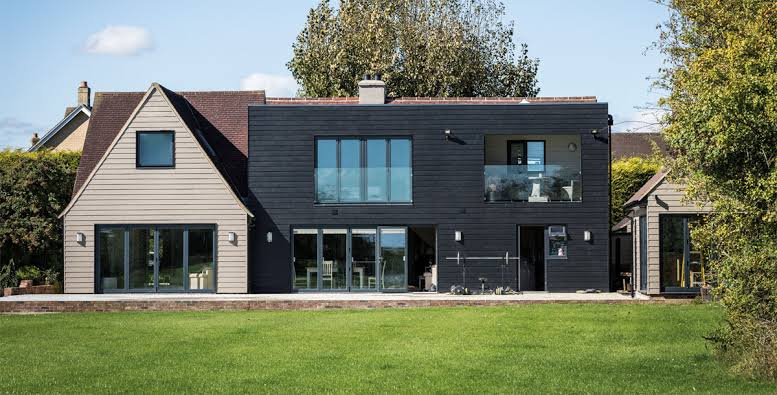
Wood siding works especially well for traditional, rustic, and modern architectural designs. It can be stained or painted in many different finishes, allowing homeowners to customize the exterior appearance.
However, wood requires more maintenance compared with many modern alternatives. Without proper protection, it can experience problems such as:
- Rot
- Insect damage
- Moisture absorption
- Fading
- Cracking
Homes located in wet or humid climates require additional attention when using wood cladding. Regular sealing, staining, and inspections are necessary to maintain its performance.
For homeowners willing to invest time in maintenance, wood cladding provides unmatched natural beauty and a timeless appearance.
Brick Cladding for Long-Term Durability
Brick is one of the oldest and most reliable exterior cladding materials. It has been used for centuries because of its strength, fire resistance, and ability to withstand harsh weather conditions.
Brick performs exceptionally well in areas with:
- Heavy rain
- Snow
- Strong winds
- Temperature changes
A properly installed brick exterior can last for many decades with minimal maintenance. Unlike wood, brick does not require regular painting or sealing. It is also resistant to insects and does not easily deteriorate from sunlight exposure.
Another advantage of brick is its thermal performance. Brick walls can help regulate indoor temperatures by absorbing and slowly releasing heat.
The disadvantages of brick include higher installation costs and limited color flexibility compared with some other materials. Repairs can also require specialized skills to match existing brickwork.
Despite the higher initial investment, brick remains a strong option for homeowners seeking maximum durability.
Stone Cladding for Premium Appearance and Strength
Natural stone and manufactured stone cladding provide a high-end appearance while offering excellent weather resistance.
Stone is commonly used for:
- Accent walls
- Full exterior coverings
- Entry areas
- Luxury home designs
Natural stone can withstand extreme weather conditions, including heavy rain, freezing temperatures, and intense sunlight.
Manufactured stone provides a similar appearance at a lower cost and lighter weight. It is available in many designs that imitate natural materials.
Although stone requires little maintenance, installation costs can be higher due to material weight and labor requirements. Proper installation is essential to prevent moisture problems behind the stone surface.
Metal Cladding for Modern Homes and Harsh Conditions
Metal cladding, including aluminum and steel panels, has become increasingly popular in modern residential architecture. It offers a sleek appearance and excellent resistance against many environmental challenges.
Metal siding performs well in areas exposed to:
- Strong winds
- Heavy storms
- Fire risks
- Extreme temperature changes
Aluminum is naturally resistant to rust, while steel options often include protective coatings to improve corrosion resistance.
Metal cladding requires relatively little maintenance compared with wood. However, it can be affected by dents from impacts and may show scratches if the protective coating is damaged.
For contemporary homes, metal cladding provides a clean appearance combined with strong performance.
Stucco Cladding for Warm and Dry Climates
Stucco is commonly used in regions with warm, dry weather. It creates a smooth exterior finish and can be customized with different textures and colors.
Stucco provides good insulation properties and works well in climates with limited moisture exposure.
However, traditional stucco can experience problems in areas with heavy rainfall or freezing temperatures. Cracks may develop due to moisture movement and temperature changes.
Modern stucco systems with improved waterproofing layers perform better, but installation quality remains extremely important.
Composite Cladding for Modern Performance
Composite cladding combines materials such as wood fibers, plastics, and resins to create a durable exterior covering. It is designed to provide the appearance of natural materials while reducing maintenance requirements.
Composite materials offer advantages such as:
- Resistance to moisture
- Reduced fading
- Lower maintenance
- Improved durability
They are suitable for homeowners who want the appearance of wood without frequent staining and repairs.
Choosing Cladding Based on Weather Conditions
Different climates require different cladding solutions.
In rainy and humid regions, homeowners should prioritize moisture-resistant materials such as:
- Fiber cement
- Brick
- Metal
- Properly installed vinyl
These options help reduce problems related to water infiltration and mold growth.
In hot and sunny climates, materials should resist ultraviolet damage and temperature changes. Fiber cement, stucco, stone, and metal are often suitable choices.
In cold regions with snow and freezing temperatures, durability against moisture expansion and contraction is important. Brick, fiber cement, and engineered cladding systems often perform well.
Areas exposed to hurricanes, storms, or strong winds require materials with high impact resistance and secure installation methods.
Maintenance Considerations for Exterior Cladding
Maintenance requirements vary significantly between cladding materials.
Low-maintenance options include:
- Vinyl siding
- Brick
- Stone
- Metal
Moderate-maintenance materials include:
- Fiber cement
- Composite cladding
Higher-maintenance options include:
- Natural wood
- Traditional stucco
Homeowners should consider not only the installation cost but also the long-term expenses associated with cleaning, repairs, painting, and replacement.
Installation Quality Matters
Even the best cladding material can fail if it is poorly installed. Proper installation ensures that water drains correctly, ventilation systems work properly, and the building envelope remains protected.
Important installation factors include:
- Weather-resistant barriers
- Proper flashing around openings
- Correct fastening methods
- Adequate ventilation
- Professional workmanship
A high-quality installation extends the lifespan of the cladding system and prevents costly structural repairs.
Conclusion
Exterior home cladding is an essential investment that affects protection, appearance, and long-term maintenance needs. The best choice depends on the local climate, homeowner preferences, budget, and desired level of upkeep.
Materials such as vinyl provide affordable and simple maintenance, while fiber cement offers excellent durability for challenging weather conditions. Brick and stone deliver long-lasting performance with classic appeal, while metal and composite materials provide modern solutions with strong resistance against environmental damage.
Before selecting a cladding material, homeowners should evaluate weather conditions, maintenance expectations, and long-term performance. A carefully chosen and professionally installed exterior cladding system can protect a home for decades while improving energy efficiency, comfort, and overall value.