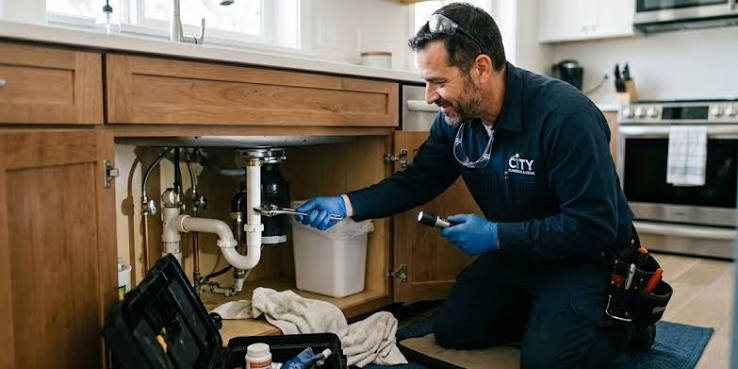
Preventing Common Plumbing Emergencies With Regular Home Water System Maintenance
A home’s plumbing system is one of its most important yet often overlooked components. Water flows through pipes, fixtures, appliances, and drainage systems every day, providing essential services such as drinking water, cleaning, bathing, and heating. However, when plumbing systems are neglected, small issues can quickly develop into serious emergencies.
Burst pipes, major leaks, clogged drains, water heater failures, and overflowing fixtures can cause expensive damage to floors, walls, furniture, and personal belongings. The good news is that many plumbing emergencies can be prevented through regular maintenance, early detection, and simple care practices.
A proactive approach to plumbing maintenance helps homeowners protect their property, reduce repair costs, and ensure their water systems continue working efficiently for years.
Understanding the Importance of Plumbing Maintenance
Many plumbing problems do not appear suddenly. In many cases, emergencies develop gradually through small leaks, corrosion, buildup, or damaged components that go unnoticed.
Regular inspections allow homeowners to identify warning signs before they become major problems. A dripping faucet, slow drain, or unusual pipe noise may seem minor, but these issues can indicate larger concerns within the plumbing system.
Routine maintenance provides several benefits, including:
- Preventing costly water damage
- Extending the lifespan of plumbing components
- Improving water efficiency
- Maintaining healthy water quality
- Reducing unexpected repairs
A well-maintained plumbing system is more reliable and performs better under daily use.
Inspecting Pipes for Leaks and Damage
Leaks are among the most common plumbing problems in residential properties. Even a small leak can waste significant amounts of water and cause hidden damage if left untreated.
Homeowners should regularly inspect visible pipes under sinks, near water heaters, and around appliances. Warning signs of plumbing leaks include:
- Water stains on walls or ceilings
- Damp areas under cabinets
- Mold or mildew odors
- Unexplained increases in water bills
- Low water pressure
Hidden leaks behind walls or beneath floors can be more difficult to detect. Paying attention to unusual sounds, moisture changes, or damaged surfaces can help identify problems early.
Repairing small leaks quickly prevents them from developing into major plumbing failures.
Maintaining Drains and Preventing Blockages
Clogged drains are one of the most common household plumbing issues. While many blockages are minor, severe clogs can cause backups, flooding, and damage to drainage systems.
Preventative drain maintenance includes:
- Avoiding putting grease and oils down kitchen sinks
- Using drain screens
- Removing hair from bathroom drains
- Cleaning drains regularly
- Avoiding flushing inappropriate materials
Kitchen sinks often experience buildup from food particles and grease, while bathroom drains commonly collect hair and soap residue.
Regular cleaning helps maintain proper water flow and reduces the chance of sudden blockages.
Protecting Pipes During Cold Weather
Cold temperatures can create serious plumbing emergencies, especially in areas where freezing conditions occur. When water inside pipes freezes, it expands and can create pressure that causes pipes to crack or burst.
Homeowners can protect plumbing systems by:
- Insulating exposed pipes
- Sealing gaps around pipes
- Keeping indoor temperatures stable
- Allowing limited water flow during extreme cold
- Disconnecting outdoor hoses
Pipes located in basements, garages, crawl spaces, and exterior walls are often more vulnerable to freezing.
Taking preventive action before cold weather arrives can prevent expensive emergency repairs.
Maintaining the Water Heater System
Water heaters provide essential comfort, but they require regular attention to operate safely and efficiently.
Common water heater problems include:
- Reduced hot water supply
- Strange noises
- Leaking tanks
- Temperature issues
- Sediment buildup
Sediment accumulation inside the tank can reduce efficiency and shorten the lifespan of the unit. Flushing the tank periodically helps remove buildup and improves performance.
Homeowners should also inspect the area around the water heater for signs of moisture or corrosion. A leaking water heater can quickly cause significant damage.
Regular maintenance ensures reliable hot water while improving energy efficiency.
Checking Water Pressure Levels
Water pressure affects the performance of faucets, showers, appliances, and plumbing fixtures. Extremely high water pressure can damage pipes and fixtures over time.
Signs of excessive water pressure may include:
- Noisy pipes
- Leaking faucets
- Frequent fixture repairs
- Sudden pipe problems
A pressure regulator can help maintain safe water pressure levels in homes where pressure is too high.
Maintaining balanced water pressure reduces stress on the plumbing system and extends the life of components.
Knowing the Location of the Main Water Shutoff Valve
One of the most important steps in preventing major water damage is knowing where the main water shutoff valve is located.
In a plumbing emergency, quickly stopping the water supply can prevent thousands of dollars in damage.
Homeowners should:
- Identify the shutoff valve location
- Ensure it is accessible
- Test that it operates properly
- Inform family members about its location
Common emergency situations requiring immediate shutoff include:
- Burst pipes
- Major leaks
- Overflowing fixtures
- Appliance failures
A few seconds of preparation can make a major difference during a plumbing emergency.
Maintaining Kitchen and Bathroom Fixtures
Faucets, toilets, and shower fixtures experience frequent daily use and require regular inspection.
Common problems include:
- Dripping faucets
- Running toilets
- Weak water flow
- Loose connections
- Damaged seals
A leaking faucet may seem like a small inconvenience, but it wastes water and may indicate worn internal components.
Toilets should also be checked regularly. A constantly running toilet can increase water bills and may signal a faulty valve or internal issue.
Replacing worn parts early prevents larger repairs.
Preventing Sewer and Drainage Problems
Sewer problems can be among the most unpleasant and expensive plumbing emergencies. Preventative maintenance helps reduce the risk of backups and damage.
Homeowners should avoid flushing items that do not break down easily and should monitor drainage performance throughout the home.
Warning signs of sewer problems include:
- Slow drains throughout the house
- Unpleasant odors
- Gurgling sounds
- Water pooling around drains
Professional inspections may be useful for older homes or properties with recurring drainage issues.
Early detection can prevent serious damage and costly cleanup.
Creating a Regular Plumbing Maintenance Schedule
A consistent maintenance routine makes it easier to protect a home’s plumbing system.
Monthly tasks may include:
- Checking for visible leaks
- Cleaning drains
- Inspecting faucets
Seasonal tasks may include:
- Preparing pipes for cold weather
- Checking outdoor plumbing connections
- Inspecting water heaters
Annual tasks may include:
- Professional plumbing inspections
- Water heater maintenance
- Checking pressure levels
A simple schedule helps homeowners stay ahead of potential problems.
The Role of Professional Plumbing Inspections
While homeowners can perform basic maintenance, professional inspections provide additional protection. Plumbers have specialized tools and experience to detect issues that may not be visible.
Professional services may include:
- Leak detection
- Pipe inspections
- Drain cleaning
- Water heater checks
- Sewer evaluations
Regular professional inspections are especially valuable for older homes where plumbing systems may require more attention.
Saving Money Through Preventative Plumbing Care
Many homeowners delay plumbing maintenance because everything appears to be working properly. However, waiting until a major problem occurs often results in higher costs.
Preventative care reduces the likelihood of emergency repairs and helps systems operate more efficiently.
Benefits include:
- Lower water bills
- Fewer emergency calls
- Longer-lasting fixtures
- Reduced property damage
Small maintenance efforts often provide significant long-term savings.
Conclusion
Regular home water system maintenance is one of the best ways to prevent common plumbing emergencies. By inspecting pipes, maintaining drains, protecting fixtures, monitoring water pressure, and addressing small issues early, homeowners can avoid major damage and expensive repairs.
A reliable plumbing system requires ongoing attention, but the effort is worthwhile. Preventative maintenance improves safety, efficiency, and comfort while ensuring that essential water systems continue supporting the home for many years.