How Much Does It Cost to Build a Patio in Australia?
Adding a patio is one of the smartest ways to improve how you use your home. In Australia, outdoor living is part of everyday life. A well-built patio creates space for relaxing, entertaining guests, and enjoying the weather without leaving home. But before starting, most homeowners ask the same question: how much does it actually cost to build a patio in Australia?
The short answer is that costs can vary a lot. The final price depends on size, materials, design, location, and labour. In this guide, you will get a clear breakdown of patio costs, what affects pricing, and how to plan a realistic budget so there are no surprises.
What Is a Patio and Why Build One?
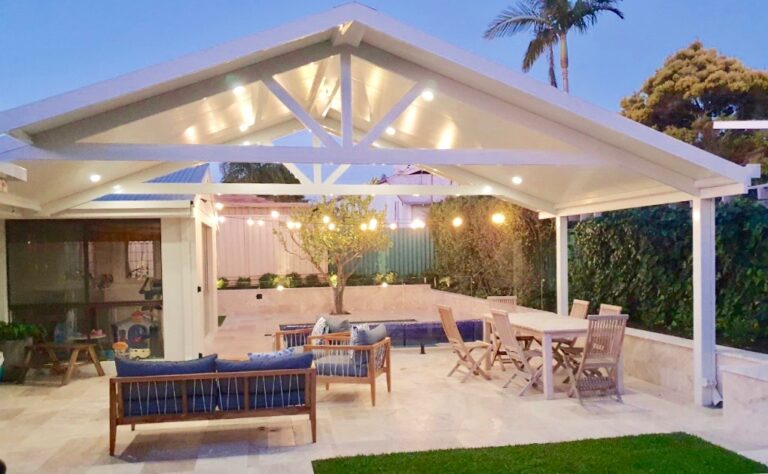
A patio is a paved or built outdoor area, usually attached to a house or set in the backyard. In Australia, patios are often used as outdoor dining areas, covered entertainment spaces, or shaded zones near pools and gardens.
Homeowners choose patios for several reasons. They expand living space without the cost of a full extension. They make homes more enjoyable year-round. A well-designed patio can also increase property value, especially in family-friendly suburbs.
Average Cost to Build a Patio in Australia
National Cost Ranges
On average, building a patio in Australia can cost anywhere from $3,000 to $15,000 or more. A basic patio with simple materials will sit at the lower end, while larger or custom designs push the price higher.
Most standard patio projects fall between $5,000 and $10,000. This usually covers materials, labour, and basic site preparation.
If you are planning professionally built patios with quality materials and proper installation, budgeting within this range is a good starting point.
Cost Per Square Metre
Patio costs are often calculated per square metre. As a rough guide:
- Basic concrete patio: $60 to $100 per m²
- Coloured or exposed aggregate concrete: $100 to $150 per m²
- Pavers: $90 to $150 per m²
- Natural stone: $150 to $250+ per m²
Larger patios usually have a lower cost per square metre, while small or complex designs can cost more per unit.
Regional Variations
Your location matters. Labour and material prices can vary between states and cities. For example, patio costs in Sydney and Perth may be higher than in regional areas. Soil conditions, council rules, and access to trades can also affect pricing.
Main Factors That Influence Patio Costs
Size and Shape
The bigger the patio, the more materials and labour are required. A simple square or rectangle is cheaper to build than curved or multi-level designs. Custom shapes add cutting, planning, and installation time.
Materials
Material choice has one of the biggest impacts on cost.
Concrete is the most affordable and durable option. Pavers offer more style but cost more to install. Timber looks warm and natural but needs regular maintenance. Natural stone is premium priced but delivers a high-end finish.
Each material comes with trade-offs between price, appearance, and upkeep.
Flooring
Flooring affects both cost and comfort. Plain concrete is budget-friendly and low maintenance. Decorative concrete finishes cost more but improve appearance. Pavers and stone increase visual appeal but also increase labour costs due to installation time.
Roofing or Covering
If you want a covered patio, expect higher costs. Patio roofing options include:
- Colorbond steel
- Polycarbonate sheets
- Timber or insulated panels
Roofing costs can range from $50 to $200 per m² depending on the material and structure. Covered patios are more expensive but provide year-round usability.
Labour and Installation
Labour usually makes up a large part of the budget. Professional installers handle site preparation, drainage, leveling, and compliance with building standards. Difficult access, sloped land, or poor soil conditions can increase labour costs.
Design Features and Extras
Extra features add comfort but also cost. These may include:
- Built-in seating
- Outdoor lighting
- Electrical points
- Privacy screens
- Outdoor kitchens or BBQ areas
Each addition should be planned early to avoid unexpected expenses later.
How to Plan Your Patio Budget
Setting Realistic Goals
Start by deciding how you want to use the patio. A simple seating area needs less investment than an entertainment space with roofing and lighting. Having a clear goal helps control costs.
Getting Accurate Quotes
Always get multiple quotes from licensed contractors. Quotes should include materials, labour, site preparation, and any extras. Avoid choosing purely on price. Experience and quality matter.
DIY vs Professional Build
DIY patios may save money upfront, but mistakes can be costly. Drainage issues, uneven surfaces, or non-compliant structures can lead to repairs or fines. For most homeowners, professional installation is safer and more cost-effective long term.
Common Patio Cost Examples
Here are rough examples to help with budgeting:
- Small 15 m² concrete patio: $3,000 to $4,500
- Medium 25 m² paver patio: $5,500 to $8,000
- Large 40 m² covered patio: $10,000 to $15,000+
These figures can vary based on location, materials, and design choices.
Should You Invest in a Patio?
A patio is more than just an outdoor slab. It changes how you use your home. In Australia’s climate, patios allow you to enjoy fresh air while staying protected from sun and rain.
From a financial point of view, patios can improve resale appeal. Buyers often value usable outdoor spaces, especially when they are well-designed and low maintenance.
Conclusion
Building a patio in Australia can cost anywhere from a few thousand dollars to well over $15,000. The final price depends on size, materials, location, and design features. By understanding these factors and planning carefully, you can create a patio that suits both your lifestyle and your budget.
If you invest in quality materials and professional installation, a patio can deliver comfort, value, and enjoyment for many years to come.
Keep an eye for more latest news & updates on Vixencom!